Bathroom Tile Guide: Styles, Materials & Tips
Choosing the right bathroom tile sets the tone for durability and style. As a homeowner or designer, understanding options, installation considerations, and maintenance helps ensure long-term satisfaction. This guide addresses common search questions and provides actionable guidance to help you pick tiles that resist moisture, stay beautiful, and fit your budget.
Types of bathroom tile
Tile types vary by material, size, and finish. Here are the most common choices for bathrooms.
Ceramic vs porcelain
Porcelain is a dense ceramic fired at higher temperatures, offering better water resistance and durability. Ceramic tile is more affordable and available in a wide range of colors and patterns. For wet areas like showers, porcelain or glazed ceramic with a high CE rating is recommended.
Natural stone and glass tiles
Natural stone (marble, travertine, slate) adds luxury but requires sealing and maintenance. Glass tiles reflect light and make small bathrooms feel larger; they can be used as accents or backsplashes.
Size matters: large format vs small formats
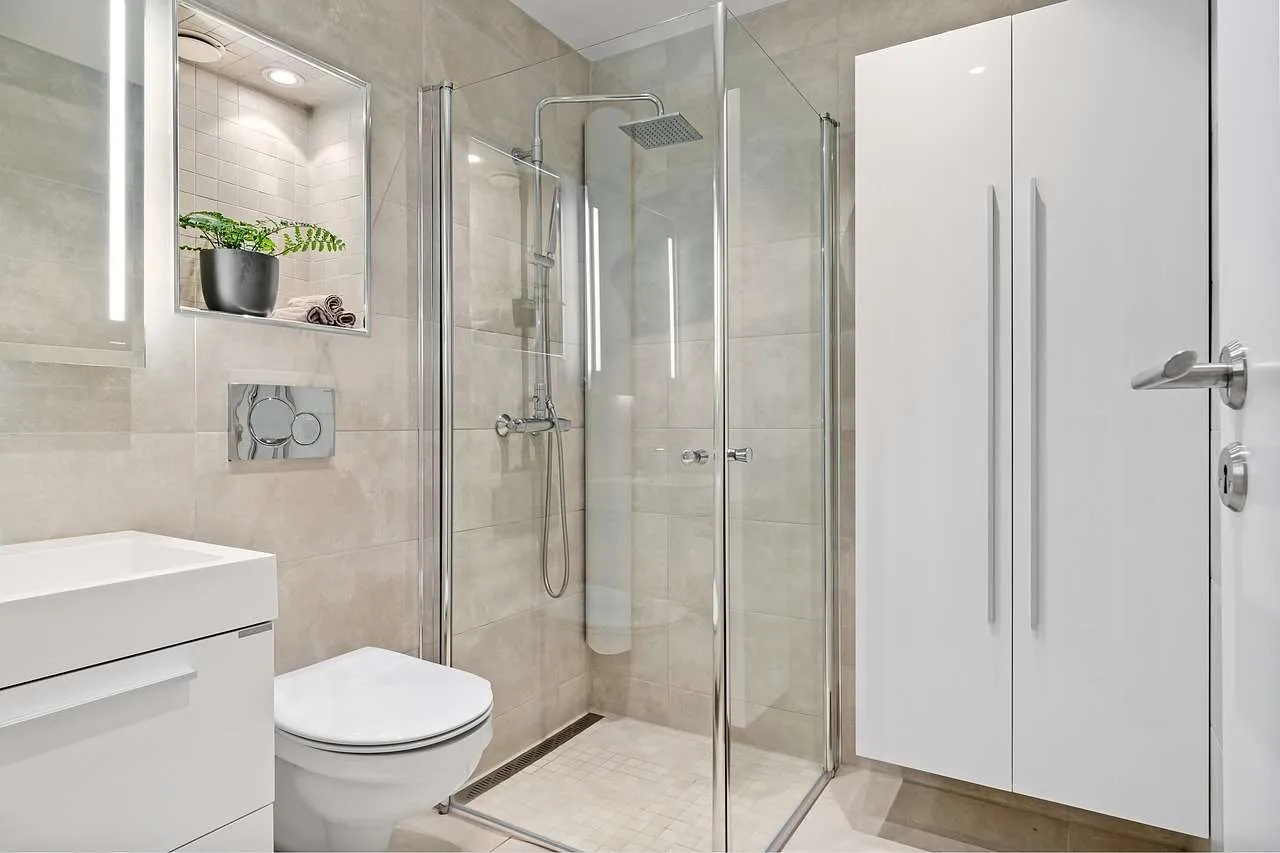
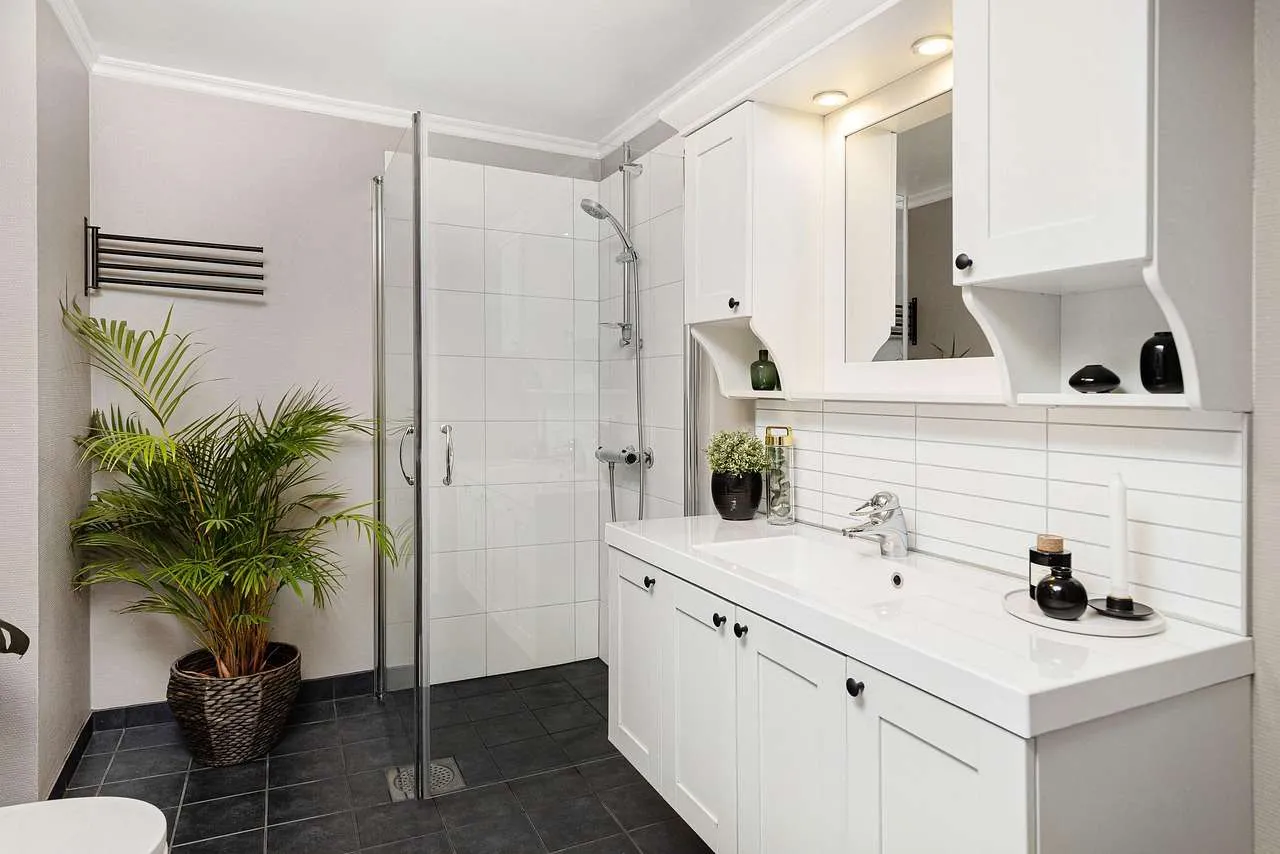
Large-format tiles reduce grout lines and create a modern look but require flat substrates and professional cutting. Subway and mosaic tiles offer classic styles and detailed patterns, albeit with more grout upkeep.
Design and layout considerations
Color, pattern, and grout color influence perceived space and cleanliness. Light colors brighten bathrooms; dark grouts create contrast and hide minor dirt between tile lines when sealed properly. Pattern options like herringbone or vertical stacking can add personality without overwhelming the space.
Installation and prep: what to know
Successful tile installation starts with proper prep: a dry, clean substrate, waterproofing membranes in wet zones, and appropriate thinset or adhesive. In showers, backer board, waterproof membranes (like Kerdi or RedGuard), and correct slope for drainage are essential. Consider hiring a licensed tile installer to ensure waterproofing and code compliance.
Maintenance and care
Maintenance varies by material. Porcelain and ceramic are easy to clean with non-abrasive cleaners. Sealing is optional for porcelain, but stone requires periodic sealing. Grout lines should be sealed and periodically cleaned to prevent staining, especially on light-colored limestone or cementitious grout.
Cost, durability, and value
Tile prices range from affordable ceramic to premium natural stone. Labor costs for installation often exceed material costs, so budgeting for a professional installer is wise. Durable choices like porcelain and rectified tiles reduce maintenance and visible wear over time, increasing resale value when paired with quality design.
Quick design ideas and trends
Monochrome palettes with a single tile type, bold grout colors for contrast, or glazed ceramic with matte finishes can modernize a bathroom. Small bathrooms benefit from larger tiles with minimal grout and lighter colors to create the illusion of space. Accent strips, decorative borders, or a single feature wall add personality without overpowering the room.
Tile type comparison
| Tile Type | Pros | Cons | Best For |
|---|---|---|---|
| Ceramic | Affordable, wide assortment, easy to cut | Less water resistance than porcelain; can stain | Bathrooms on a budget, walls, backsplashes |
| Porcelain | High density, excellent water resistance, durable | More expensive, harder to cut | Showers, floors, high-traffic bathrooms |
| Natural Stone | Luxurious look, unique veining | Porosity requires sealing; maintenance varies | Showers, floors in upscale baths |
| Glass | Reflects light, modern glow | Can be slippery when wet; pricey | Aquariums, backsplashes, accent walls |
When selecting tile, also consider underlayment, substrate preparation, and grout sealing. A moisture barrier and proper slope in wet zones reduce the risk of water damage and mold. For best results, document measurements, bring sample tiles to the store, and request full-size test boards in both daylight and artificial lighting before purchasing in bulk.
Conclusion, choosing the right bathroom tile involves balancing durability, style, and maintenance. Prioritize materials with proven water resistance, plan for proper installation and waterproofing, and align your choice with your home's overall design. A well-chosen tile not only elevates aesthetics but also supports long-term value and homeowner satisfaction.