Bathroom Tiles: Expert Guide to Selection
Choosing bathroom tiles is more than a visual decision; the right tiles enhance durability, safety, and ease of cleaning in moist environments. This guide explains tile materials, design choices, installation considerations, and maintenance to help you make an informed decision with confidence and avoid common pitfalls.
Understanding bathroom tile materials
Moisture resistance and wear determine how well a tile performs in a bathroom. The most common options are ceramic, porcelain, natural stone, glass, and cement tiles. Each material has a distinct look, price range, and care requirements.
Ceramic and porcelain
Both ceramic and porcelain are clay-based tiles fired in a kiln. Porcelain is a denser, less porous variant with lower water absorption, making it ideal for showers and floors. Ceramic tiles are softer and typically more affordable, well suited for walls and backsplashes.
Natural stone and glass
Natural stone such as marble, travertine, or slate offers unique veining but requires sealing and ongoing maintenance. Glass tiles reflect light and can brighten a space, often used as accents or backsplashes but can be slippery on floors.
Other options
Cement tiles and large-format porcelain or ceramic tiles are popular for contemporary bathrooms. Consider slip resistance, especially for floors, and ensure suitable grouting to prevent staining.
Design and size considerations
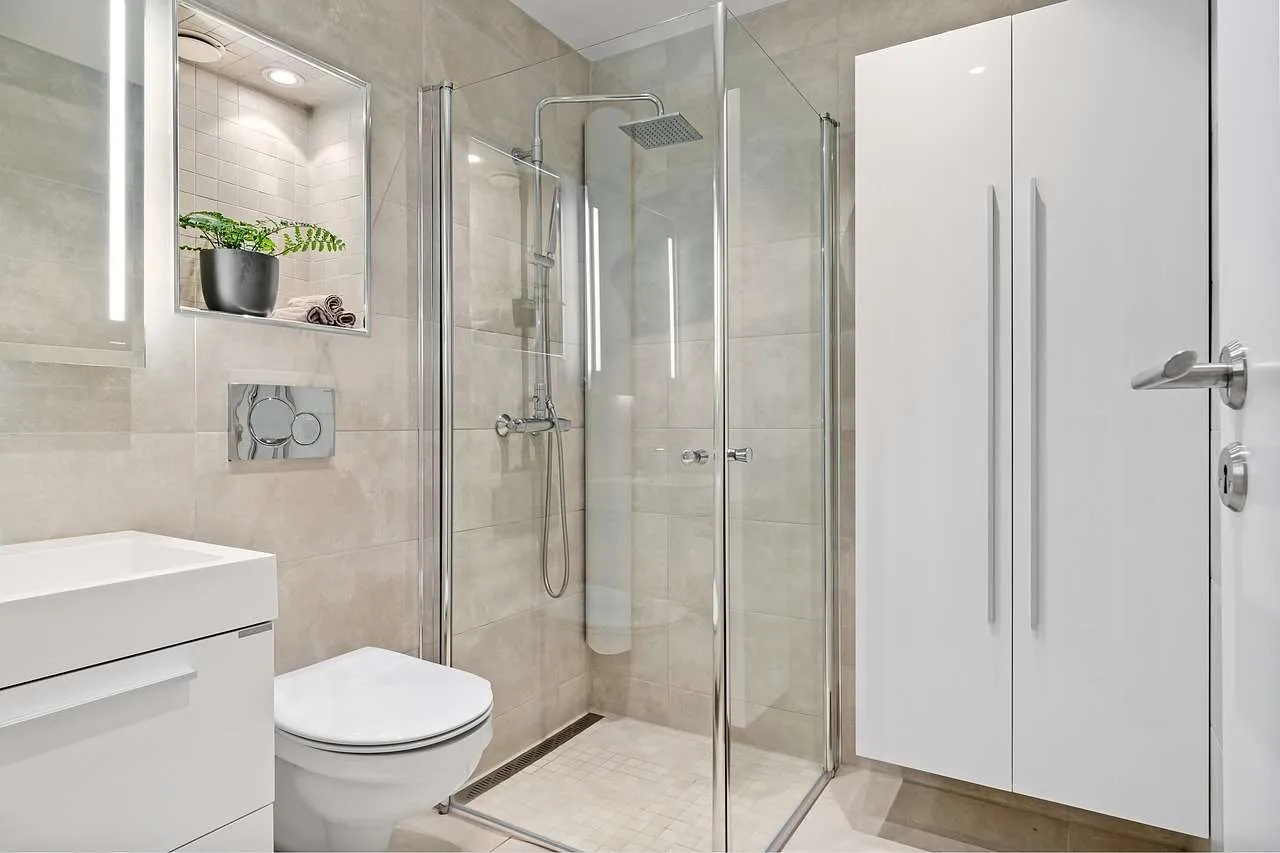
Tile size and layout influence the perceived space and maintenance costs. Larger formats reduce grout lines and create a seamless look, while smaller tiles can improve grip on shower floors but require more grout care. Color and finish should coordinate with fixtures and lighting. For floors, choose tiles with a slip resistance rating (often labeled as R values) to reduce accident risk.
Color and finish guidance
Neutral tones offer timeless appeal, while bold colors or textures create focal points. Matte finishes hide water spots better than glossy surfaces, but glossy tiles can visually expand a space when paired with proper lighting.
Design ideas and patterns
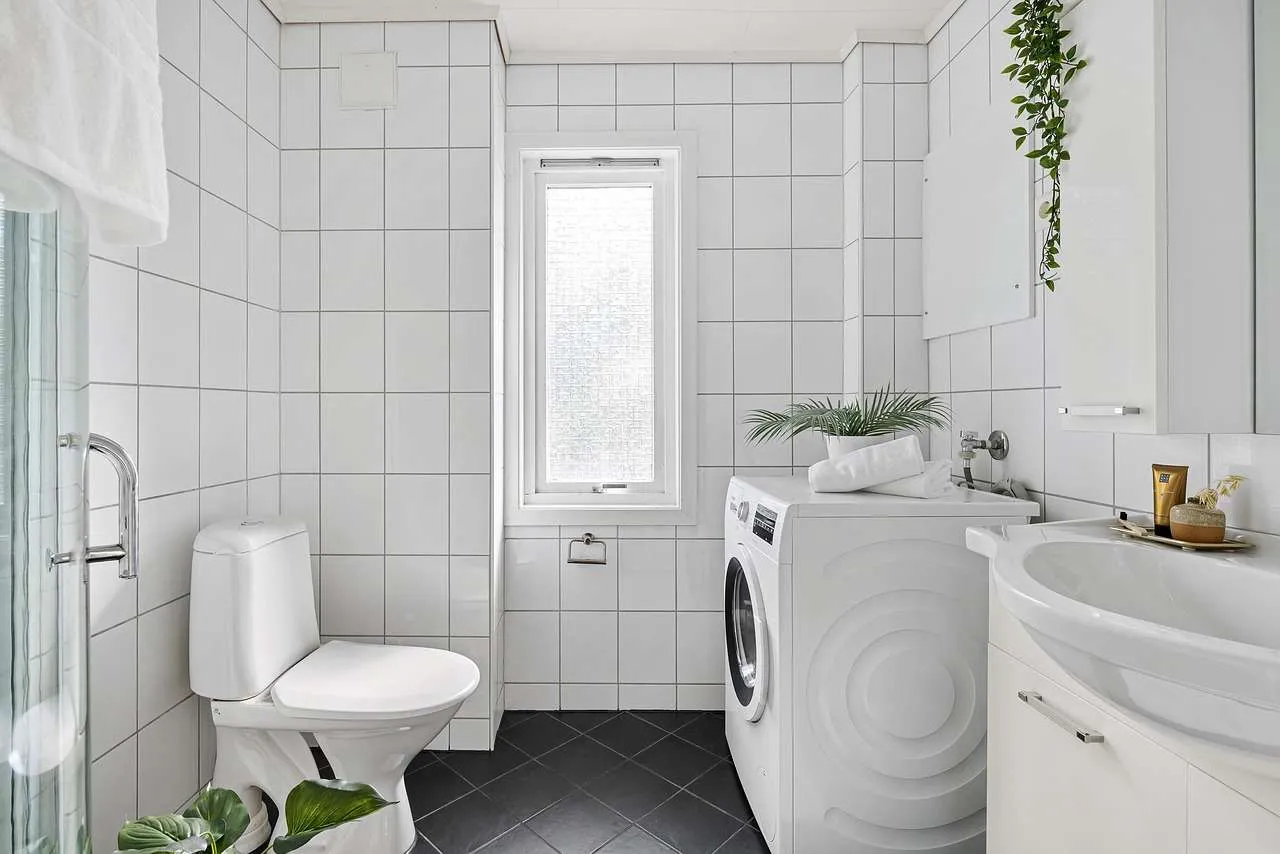
Consider patterns such as herringbone, chevron, or basket-weave for visual interest. Subway tiles remain a classic option for walls, while large-format tiles on floors create a modern, low-maintenance look. Use contrasting grout to highlight patterns or matching grout for a more seamless appearance.
Installation and maintenance tips
Proper preparation is essential for long-lasting results. Start with a stable, clean substrate and install a moisture barrier where needed. Plan layout to minimize cuts and align tile edges with plumbing fixtures. For floors, ensure your installer uses appropriate underlayment and diagonally cut tiles to avoid weak spots.
Maintenance varies by material. Ceramic and porcelain are typically easy to clean with mild cleaners. Natural stone requires periodic sealing and special pH-neutral cleaners. Glass tiles resist staining but can show water spots if not wiped down. Grout maintenance, including sealing and periodic cleaning, prevents discoloration over time.
Cost and value considerations
Budget ranges vary by material, size, and complexity of installation. Ceramic tiles are often the most affordable, while porcelain, natural stone, and large-format designs can cost more. Don’t forget installation labor, waterproofing, and sealing products. When planning a bathroom remodel, prioritize tile durability and slip resistance in wet areas to protect long-term value.
How to choose the right tile and installer
Pick a material based on area (wall vs floor), moisture exposure, and maintenance willingness. Request samples in your actual bathroom lighting and inspect color consistency. For installation, hire licensed or certified tile contractors, ask for portfolios, check references, and ensure the contractor guarantees proper waterproofing and drainage details.
| Tile Type | Pros | Cons | Ideal Use | Maintenance |
|---|---|---|---|---|
| Ceramic | Affordable, versatile patterns | Less durable than porcelain | Bathrooms, backsplashes | Easy to clean; grout may stain |
| Porcelain | High durability, low water absorption | Can be slippery when polished | Shower floors, wet areas | Sealers optional; durable |
| Natural Stone | Unique beauty | Porosity, requires sealing | Showers, countertops | Annual sealing; more maintenance |
| Glass | Reflects light, modern look | Slippery; higher cost | Accent walls, backsplashes | Low porosity; easy to clean |
| Cement | Industrial look, durable | Stains easily without sealer | Floor or shower walls in modern bathrooms | Sealing required; professional install |
When you are ready to purchase, gather samples, review installation warranties, and verify product specifications for water absorption, slip resistance, and stain resistance. A reputable retailer or showroom can help you compare brands, finishes, and color options to align with your design goals and maintenance expectations.
Conclusion, choosing the right bathroom tiles balances aesthetics, durability, and maintenance. By evaluating space, moisture, and foot traffic; choosing the appropriate material, size, color, and pattern; planning a sound installation; and committing to a proper maintenance routine, you can achieve a bathroom that remains beautiful and resilient for years.